
ISO/IEC 27001:2022 & HIPAA: A Strategic Investment in Healthcare Security in the Digital Era

Novi
Feb 15, 2026
Table of contents
Introduction
Information Security Management System (ISMS): ISO/IEC 27001:2022
Health Data Protection Regulations: HIPAA
Digitalization of the Healthcare Sector and Information Security Challenges
Patient Trust and Protection of Health Information
Information Security Risks in Healthcare Services
The Synergy between HIPAA and ISO/IEC 27001
Benefits of Implementing HIPAA and ISO/IEC 27001 in the Healthcare Industry
Conclusion
Tags:
Introduction
Digitalization in the healthcare sector has been growing rapidly alongside the increasing adoption of information technology in healthcare services. The implementation of electronic medical records, online doctor consultation applications, and hospital queue management systems has significantly transformed healthcare delivery, making services more efficient and accessible for patients. However, this digital transformation also introduces new risks, particularly the rising threat to information security. This situation poses a serious challenge for the healthcare sector in the digital era, requiring organizations to establish, implement, and continuously improve information security management systems in a sustainable manner (Ansar, 2024).
Information Security Management System (ISMS): ISO/IEC 27001:2022
ISO/IEC 27001:2022 is the most recent version of the world's most well-known standard for information security management systems (ISMS). The International Organization for Standardisation (ISO) and the International Electrotechnical Commission (IEC) published it in October 2022. It provides businesses of all sizes with a strong framework for protecting their data in a systematic and cost-effective manner.
ISO 27001 is not just a technical checklist; it is a tool for businesses. It requires businesses to set up, run, maintain, and always make better an ISMS. This system is based on risk, which means that the organization must identify and address information security risks (threats and vulnerabilities). This ensures that data is kept private, safe, and accessible, whether it is customer information, financial data, or intellectual property.
The standard has two main parts: the management clauses, which are requirements that must be met, and Annex A, which is about information security controls.
1. The Management Clauses (Clauses 4–10)
In total, there are 10 clauses. Clauses 1 through 3 are the introduction, and they cover the scope, normative references, and terms/definitions. Clauses 4 through 10 are the requirements that an organization must meet in order to get certified. These follow the "Plan-Do-Check-Act" (PDCA) cycle:
Clause 4 (Context of the Organization): Understanding the issues and people who are interested in the organization.
Clause 5 (Leadership): The top management's commitment and the creation of the Information Security Policy.
Clause 6 (Planning): Planning how to address and assess risks.
Clause 7 (Support): Resources, skills, knowledge, and communication.
Clause 8 (Operation): Implementing the plans and risk assessments.
Clause 9 (Performance Evaluation): Checking, measuring, conducting an internal audit, and having management review.
Clause 10 (Improvement): Dealing with things that don't go as planned and taking corrective actions.
2. Annex A: Controls for Information Security
This is where the biggest change happened in the 2022 version. The 2013 version had 114 controls in 14 areas, but ISO/IEC 27001:2022 has cut this down significantly to better deal with modern threats like cloud security and data privacy.
There are 93 controls in the 2022 version, and they are grouped into four categories:
Organizational Controls (37 controls): roles for policies, returning assets, and keeping information safe.
People Controls (8 controls): screening, terms of employment, and working from home.
Physical Controls (14): clear desk policy, physical security perimeters, and where to put equipment.
Technological Controls (34): secure coding, malware protection, and data masking.
This modernisation makes the standard more flexible in today's digital world by moving away from strict categories and toward more flexible, thematic defence strategies.
Health Data Protection Regulations: HIPAA
The Health Insurance Portability and Accountability Act (HIPAA) is a federal law in the United States that was passed in 1996. The main goal is to set national standards that will keep private health information about patients from being shared without their permission or knowledge. This regulation emphasizes the importance of confidentiality, integrity, and availability as core principles in digital healthcare information systems (Kania, 2024).
It was first meant to make health insurance coverage easier to move around, but it has since become the best way to protect healthcare data privacy. It applies to Covered Entities (healthcare providers, health plans, and healthcare clearinghouses) and their Business Associates (vendors who handle data for them).
There are three main rules that work together to make HIPAA effective:
The Privacy Rule: What data is safe is the main point. It sets national rules for how to protect Protected Health Information (PHI) and gives patients rights over their own health data, like the right to get a copy of their health records.
The Security Rule tells us how to keep electronic PHI (ePHI) safe. This is the technical version of the Privacy Rule. It lists the steps that companies must take to protect ePHI's privacy, integrity, and availability.
The Breach Notification Rule says that covered entities must tell affected people, the Department of Health and Human Services (HHS), and possibly the media if unsecured PHI is breached.
HIPAA doesn't use the word "controls" in the same strict way that ISO 27001 does, which has a fixed list of 93 controls. The HIPAA Security Rule, on the other hand, is made up of Standards and Implementation Specifications.
There are 18 Standards and 42 Implementation Specifications in all. They are mostly divided into three main groups of safeguards:
1. Administrative Safeguards (9 Standards)
These are the rules and policies that make it clear how the organization will follow the law. They are the "people and process" part of following the rules. Examples include doing a risk analysis, naming a security officer, and training the staff.
2. Physical Safety (4 Standards)
These controls are all about who can get into the buildings where electronic information systems are kept and how they can get in. Some examples are controls for facility access (like locks and badges), workstation security, and device/media controls (like getting rid of hard drives).
3. Technical Safeguards (5 Standards)
These are the technology-related rules for getting to and sending ePHI. Some examples are access control (unique user IDs), audit controls (logging), encryption, and security for sending information.
One thing that makes HIPAA controls stand out is the difference between Required and Addressable specifications:
Required: You must follow the specification exactly as it states.
Addressable: You need to decide if the safeguard is fair and useful for your situation. If it isn't, you can use an equivalent alternative measure as long as you write down why you did it. Because it is so flexible, HIPAA can be used by both small rural clinics and huge hospital networks.
4. Digitalization of the Healthcare Sector and Information Security Challenges
The digitalization of the healthcare sector is a big change from old-fashioned, paper-based systems to new, connected digital systems that use data. Electronic Health Records (EHRs), Telemedicine, Artificial Intelligence (AI), and the Internet of Medical Things (IoMT) are all technologies that are making this change happen.
This connection has many benefits, such as monitoring patients in real time, remote consultations, and predictive analytics that can save lives. But it also greatly increases the "attack surface" that cybercriminals can exploit, which makes protecting information much harder.
In recent years, the healthcare industry has been the most expensive for data breaches, with the average cost per breach being almost $10 million. The main problems are:
Ransomware attacks: Ransomware attacks are the biggest threat right now. Cybercriminals lock up important patient information and ask for money to unlock it. In healthcare, downtime isn't just a financial loss; it's also a safety issue for patients. When systems fail, surgeries are postponed, ambulances are rerouted, and people can't access important allergy or dosage information that could save their lives.
IoMT weaknesses: There are a lot of connected devices in modern hospitals, like smart MRI machines and infusion pumps that work over Wi-Fi. Many of these devices use outdated software that can't be patched or updated. They often lack basic security features like encryption, which makes it easy for attackers to infiltrate the main hospital network.
The value of health data: On the dark web, a medical record is worth a lot more than a credit card number. It contains unchangeable information (like Social Security numbers and medical history) that can't be 'canceled' like a credit card, which makes it ideal for long-term identity theft and fraud.
Phishing and insider threats: The human element is still a weak link. Healthcare professionals are often overworked and work in high-stress settings, which makes them easy targets for phishing emails that look like internal communications or notifications from vendors.
Healthcare leaders need to be open to new digital technologies without losing the trust of their patients. Security can't be an afterthought anymore; it has to be "baked in" to new technologies (Privacy by Design). This calls for strict network segmentation (keeping MRI machines away from email servers), regular risk assessments (as required by HIPAA), and strong disaster recovery plans that ensure patient care can continue even during a cyber event.
5. Patient Trust and Protection of Health Information
In healthcare services, the relationship between patients and healthcare professionals is built on a high level of trust. One of the main foundations of this trust is the assurance that all medical information provided by patients will be kept confidential. Health information is highly sensitive, as it reflects an individual’s physical condition, mental health, and medical history. Therefore, medical confidentiality is not only a matter of professional ethics for healthcare workers but also a fundamental right of patients that must be protected by law and prevailing social norms (Fadilah, 2022).
6. Information Security Risks in Healthcare Services
The inability of healthcare institutions to adequately protect their information assets can create opportunities for irresponsible parties to access, steal, or disrupt patient health data. Data breaches or misuse of medical information not only cause institutional losses but can also significantly undermine patient trust in healthcare services. Consequently, to mitigate information security risks while building and maintaining patient trust, the implementation of recognized information security standards has become a necessity for organizations in the healthcare sector (Pratiwi, 2025).
7. The Synergy between HIPAA and ISO/IEC 27001
The synergy between HIPAA and ISO/IEC 27001 stems from their complementary nature: HIPAA defines the regulatory requirements (the "what"), while ISO/IEC 27001 provides the management framework (the "how") to meet them.
Many healthcare organizations use ISO/IEC 27001 as the operational backbone to achieve and maintain HIPAA compliance. Since HIPAA’s Security Rule is often viewed as "technology-neutral" and somewhat open to interpretation (especially regarding "addressable" specifications), ISO 27001 offers a rigid, certifiable standard that fills in those gaps with concrete controls.
In other words, HIPAA focuses on regulatory compliance, whereas ISO/IEC 27001 emphasizes governance and risk-based information security management (Cristina P., 2024).
8. Benefits of Implementing HIPAA and ISO/IEC 27001 in the Healthcare Industry
Implementing HIPAA and ISO/IEC 27001 together creates a powerful dual-layer defense for healthcare organizations. While HIPAA is a regulatory mandate for protecting U.S. patient data, ISO/IEC 27001 is a globally recognized best practice for managing information security.
When implemented in tandem, they transform security from a "box-checking exercise" into a strategic business enabler. Here are the key benefits of this integrated approach:
a. Robust "Legal Defense" and Reduced Liability
HIPAA penalties are severe, with fines tiered based on the level of negligence. If a breach occurs, regulators (OCR) will investigate whether the organization practiced "due diligence."
ISO 27001 certification serves as strong evidence of due diligence. It proves that the organization didn't just try to comply with the law loosely but implemented a rigorous, audited, international standard of care. This can significantly mitigate fines and legal liability in the event of a breach.
b. Comprehensive Risk Management
HIPAA requires a risk analysis but offers limited guidance on how to perform it systematically.
ISO 27001 fills this gap with a structured Risk Treatment Plan. It forces the organization to look beyond just patient data (PHI) to include intellectual property, employee data, and financial records. This ensures that the entire organization is secure, not just the databases containing medical records.
c. Competitive Advantage and Global Market Access
In the healthcare supply chain, hospitals and insurance providers are increasingly scrutinizing their vendors (Business Associates).
While claiming "HIPAA Compliance" is often a self-attestation that can be vague, holding an ISO/IEC 27001 certificate is verified third-party validation. It acts as a trust badge that shortens sales cycles, helps win government contracts, and allows healthcare tech companies to expand into international markets where HIPAA is not recognized but ISO is required.
d. Operational Efficiency and Consistency
Without a framework like ISO, HIPAA compliance can become a disjointed set of ad hoc policies.
ISO 27001 mandates standardized processes for onboarding employees, managing vendors, and handling incidents. This reduces administrative chaos. Instead of scrambling every time a new threat emerges, the organization relies on established "Plan-Do-Check-Act" cycles to adapt efficiently. The adoption of these standards also contributes to improved operational efficiency and strengthens the reputation of healthcare institutions among the public and business partners (Cristina P., 2024).
e. Building a "Security-First" Culture
HIPAA training often focuses on "what not to do."
ISO 27001 focuses on management, leadership, and continuous improvement. It shifts the organizational mindset from "We need to avoid fines" to "Security is part of our quality of care." This cultural shift is often the most effective defense against social engineering and insider threats.
Conclusion
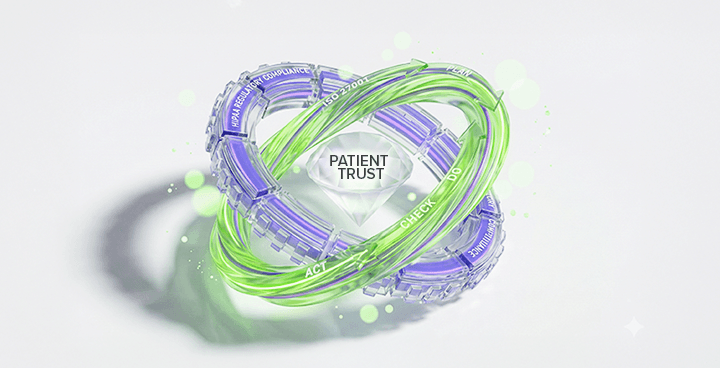
The implementation of HIPAA and ISO/IEC 27001 in the healthcare industry represents a critical shift from reactive compliance to proactive security resilience. While HIPAA provides the necessary regulatory baseline to protect patient rights and data privacy within the United States, it is the integration of the ISO/IEC 27001 framework that transforms these legal requirements into a sustainable operational reality.
The convergence of these two standards addresses the industry's most pressing challenge: the gap between "being compliant" and "being secure." A healthcare organization can technically meet HIPAA standards on paper yet still be vulnerable to sophisticated ransomware attacks due to poor operational management. ISO/IEC 27001 closes this gap by introducing the Plan-Do-Check-Act (PDCA) cycle, ensuring that security measures are not static but are continuously evolving to meet new threats like AI-driven phishing and IoMT vulnerabilities.
Ultimately, adopting this dual approach is no longer just an IT decision; it is a strategic business imperative. It signals to patients, partners, and regulators that the organization views data safety as a core component of patient care, not just a legal hurdle. By harmonizing HIPAA’s specific privacy mandates with ISO’s rigorous risk management controls, healthcare providers can secure their digital future, minimize legal liability, and, most importantly, maintain the trust required to save lives in a digital world. This standard not only supports regulatory compliance and technical risk mitigation but also represents a long-term strategic investment in sustaining patient trust in digital healthcare services (Pratiwi, 2025).
References
Ansar, M.I. (2024). “Apa Itu ISO 27001? Manfaat, Tujuan, dan Cara Mendapatkannya”. Diakses dari Apa Itu ISO 27001? Manfaat, Tujuan, dan Cara Mendapatkannya.
Cristina, P. (2024). “Bagaimana ISO 27001 Mendukung Perusahaan Dalam Mencapai Kepatuhan HIPAA” Diakses dari Bagaimana ISO 27001 Mendukung Perusahaan dalam Mencapai Kepatuhan HIPAA - Slf.co.id
Fadilah, S. (2022). “Analisis Hak Privasi Data Medis dalam Layanan Kesehatan”. Jurnal Kesehatan Dan Hukum, 8(1), 45–59. https://doi.org/10.55513/jkh.v8i1.45” https://arxiv.org/abs/quant-ph/9508027
Kania, S. (2024). “Apa Itu HIPAA: Manfaat Penerapan dan Contoh Pelanggaran”. Diakses dari https://www.asdf.id/definisi-hipaa/
Pratiwi, C.E. (2025). “Implementasi ISO 27001 sebagai Strategi Peningkatan Kepercayaan Pasien dalam Pelayanan Kesehatan Digital”.”
Rita, P.S. (2025). “HIPAA Security Rule: Perlindungan Data Kesehatan Digital”. Diakses dari https://cyberhub.id/pengetahuan-dasar/hipaa-security-rule
U.S. Department of Health & Human Services (HHS). Diakses dari https://www.hhs.gov/hipaa/index.html
Continue Reading
ISO/IEC 27001: A Strategic Investment in Healthcare Security in the Digital Era
Digitalization in the healthcare sector has been growing rapidly alongside the increasing adoption of information technology in healthcare services. The implementation of electronic medical records, online doctor consultation applications, and hospital queue management systems has significantly transformed healthcare delivery, making services more efficient and accessible for patients. However, this digital transformation also introduces new risks, particularly the rising threat to information security. This situation poses a serious challenge for the healthcare sector in the digital era, requiring organizations to establish, implement, and continuously improve information security management systems in a sustainable manner (Ansar, 2024).
Read More
Large Language Model Vulnerabilities
With the integration of Large Language Models (LLMs) being commonplace in the workflows of enterprises across the globe, it is imperative that their vulnerabilities be known. Although developers use “System Prompts” to set behavioral guidelines for these models to safeguard confidential information, these directions are not foolproof.
Read More
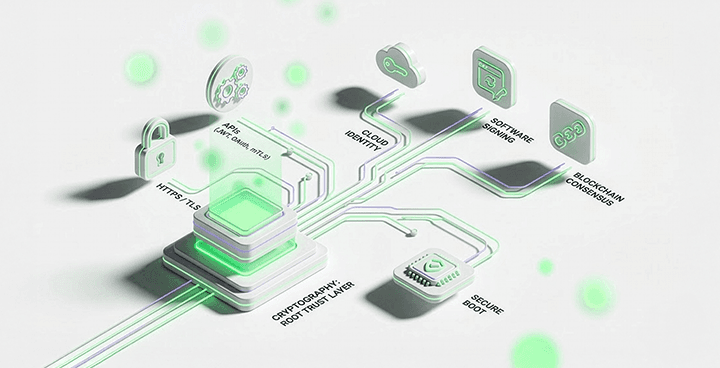
Post-Quantum Encryption: Preparing Your Organization for Quantum-Era Cybersecurity Threats
From a cybersecurity perspective, cryptography is not just encryption. It is the root trust layer of nearly all modern digital systems.
Read More
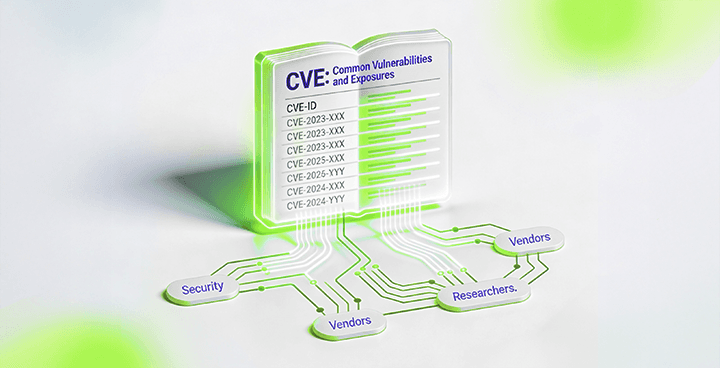
Critical Security Vulnerability On React.js (CVE-2025-55182) and Next.js framework (CVE-2025-66478)
CVE stands for Common Vulnerabilities and Exposures. It is an international, community-based list or dictionary of publicly known cybersecurity vulnerabilities in software and firmware. The primary goal of the CVE program is to provide a standardized naming convention (CVE Identifiers or CVE IDs) for these flaws, which allows security professionals, vendors, and researchers to communicate and share information about specific threats using a common language.
Read More
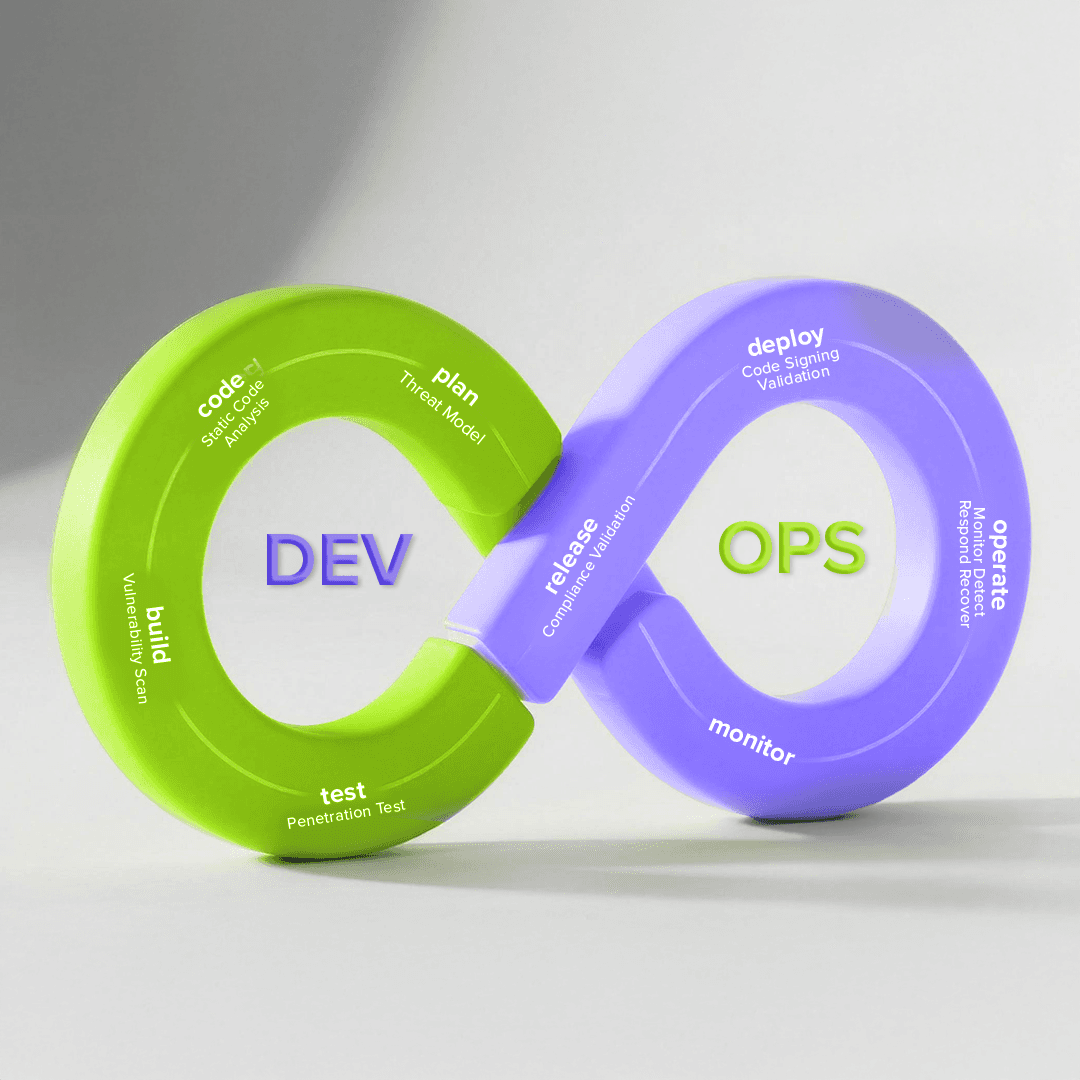
DevSecOps Threat Modelling Implementation on Simple Web Application
When designing software or applications, an assessment needs to be carried out to find out what threats may arise. One way is to do threat modeling. Threat modeling is a proactive process of looking for threats in a software or application.
Read More
Earth Lamia: Ancaman Siber Teranyar yang Mengincar Indonesia
Peta cyber threat Asia Tenggara kini makin menarik dengan kemunculan Earth Lamia, kelompok hacker global berafiliasi Tiongkok, yang aktif menyerang Indonesia.
Read More
Indonesia Naik Daun di Dunia DDoS! Apa Bahayanya dan Solusinya?
Siapa sangka? Indonesia kini tercatat sebagai salah satu sumber serangan DDoS (Distributed Denial of Service) terbesar di dunia selama dua kuartal terakhir! Jika dulu DDoS hanya dibahas dipanggung global, kali ini Indonesia benar-benar jadi sorotan. Mari kita bijak mengupas apa, mengapa, dan dampaknya bagi bisnis serta masyarakat digital.
Read More
Ransomware Mengguncang Pusat Data Nasional, Indonesia Tolak Tegas Tuntutan!
Pernahkah Anda membayangkan data krusial negara kita disandera? Itulah yang menimpa Pusat Data Nasional (PDN) beberapa bulan lalu, tepatnya pertengahan 2025. Peretas berhasil menembus sistem inti PDN dan menuntut tebusan senilai USD 8 juta, atau sekitar 120 miliar rupiah! Namun, pemerintah mengambil langkah tegas dengan menolak membayar. Sebuah sikap yang patut diapresiasi.
Read More
Earth Lamia: Ancaman Siber Teranyar yang Mengincar Indonesia
Peta cyber threat Asia Tenggara kini makin menarik dengan kemunculan Earth Lamia, kelompok hacker global berafiliasi Tiongkok, yang aktif menyerang Indonesia.
Read More
Indonesia Naik Daun di Dunia DDoS! Apa Bahayanya dan Solusinya?
Siapa sangka? Indonesia kini tercatat sebagai salah satu sumber serangan DDoS (Distributed Denial of Service) terbesar di dunia selama dua kuartal terakhir! Jika dulu DDoS hanya dibahas dipanggung global, kali ini Indonesia benar-benar jadi sorotan. Mari kita bijak mengupas apa, mengapa, dan dampaknya bagi bisnis serta masyarakat digital.
Read More


© 2025 Tjakrabirawa Teknologi Indonesia. All Rights Reserved.